
Diabetes is a disease that affects the body’s ability to absorb sugar molecules from the carbohydrates we eat to produce energy. This results in elevated blood glucose levels, which, when untreated or poorly managed, can increase risk for other adverse health conditions, including cardiovascular disease, kidney disease, nerve damage, and loss of vision.
Fortunately, there are several lifestyle practices that support the body’s ability to absorb and use carbohydrates properly.
Whether your goal is to live healthfully with diabetes or just reduce your risk of developing diabetes, consider the tips below.
Diet
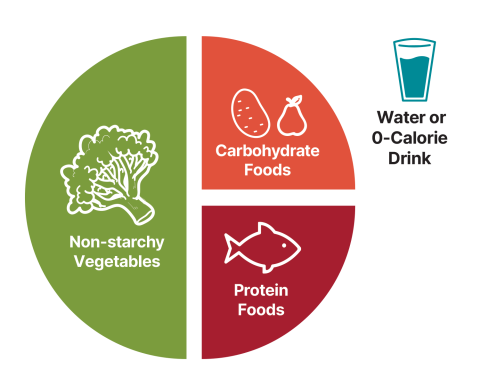
Not surprisingly, what and how we eat plays a role in how we process carbohydrates. Aim for consistent meals at around the same time each day and avoid skipping meals. One of the easiest ways to create nutritious, balanced meals that encourage blood sugar management is to use the Diabetes Plate as your guide:
- 1/4 Lean Protein:
- Fill a quarter of your plate with lean protein such as chicken, fish, beans, or cottage cheese. Eating adequate protein supports lean muscle mass, including skeletal muscle, which is the destination for many of the carbohydrates we eat.
- 1/2 Vegetables:
- Fill half your plate or bowl with non-starchy vegetables such as broccoli, zucchini, carrots, or mixed greens. Non-starchy vegetables are an excellent source of minerals and vitamins, and the fiber they provide slows digestion and absorption of sugar into the bloodstream.
- 1/4 Whole and/or Minimally Processed Carbohydrates:
- Finally, fill a quarter of your plate with carbohydrate foods such as brown rice, whole grain pasta, sweet potatoes, or fruit. Carbohydrates are the fuel that power our muscles and brain. However, not all carbohydrates are equal. Choose whole and minimally processed carbohydrate foods like whole grain bread rather than white bread, and a whole apple rather than apple juice. It’s important to eat enough carbohydrates to fuel our bodies. Following the Diabetes Plate method can help you avoid consuming too many carbohydrates at one meal.
- Drink Water:
- Hydrate with zero-calorie beverages such as water, unsweetened iced tea, or unsweetened sparkling water.
Movement
Physical activity helps support healthy blood sugar levels in multiple ways:
- Benefits over time:
- Our bodies use muscle tissue to store the excess glucose that we don’t use immediately after a meal. Robust skeletal muscle offers a place for your blood to ‘unload’ extra sugar molecules, thereby lowering blood glucose.
- Immediate benefits:
- Glucose provides the energy that fuels our muscles. Activity before or after a meal can help keep your blood glucose in a healthy range and prevent blood sugar “spikes.” Something as simple as taking a 15-minute walk or doing seated calf-raises after a meal can have a positive impact.
Sleep
- The quality and quantity of sleep can affect how efficiently your body moves sugar between your bloodstream—your body's transport system—and the cells it fuels! Poor or insufficient sleep can impair the movement of sugar into tissues that need it and contribute to high blood glucose. Aim for at least 7 hours of sleep each night and, if possible, go to bed and rise at approximately the same time each day.
- If you struggle with sleep, consider following a routine and preparing for bed at a set time each evening: dim lights, avoid screens, and try a calming ritual such as drinking herbal tea, taking a hot bath, or reading a book to wind down from the day.
Stress Management
Hormones released when we are in a state of stress can contribute to elevated blood glucose levels. Some healthy ways to manage stress include going for a walk, spending time with a friend or pet, and deep breathing exercises.
Is there an area in your life – diet, movement, sleep, or stress Management – where you think you could make positive changes to support your body’s ability to process carbohydrates and improve your overall health and wellbeing? If there are tips above that resonate with you, consider setting 1-2 SMART goals to work on for improved blood glucose management and overall well-being.